The publication
About Wool & Weather
Cloth holds evidence in its fibres, construction, repairs and recorded history. Wool & Weather approaches textiles through that material detail, drawing on Canadian conservation resources and museum collections. The articles introduce ways of looking: distinguishing a fibre from a fabric, following yarn through a weave, tracing a quilt’s documented journey and understanding why older textiles require support. Objects in Canadian museums can originate in many parts of the world, and their places of production remain part of their identities. This independent editorial collection keeps those distinctions visible and provides sources for readers who want to examine the evidence more closely.
Read the subject through its sources
Wool & Weather explores the fibres, structures and histories held in cloth. Follow Canadian conservation research and museum collections through natural materials, weaving, wartime quilts and preservation, learning to read textiles as skilled work, useful objects and records of life.
Articles are original explanations drafted with AI assistance and checked against the primary sources linked beside the relevant sections. Their review date identifies the source check; it is not a claim of breaking news.
This publication does not claim to be a government service, museum, research institution or industry body. A source link acknowledges evidence, rather than an endorsement or partnership. The articles do not claim interviews, site visits or an invented reporting team.
Help improve an explanation
Send a question or correction to [email protected]. Include the story title, the passage and, if available, a primary source that supports the correction.
A general explanation cannot cover every location, material, model or circumstance. For a specific situation, consult the applicable official guidance or a suitably qualified professional. The publication has no product checkout, paid recommendations or affiliate rankings.
Photography and image credits
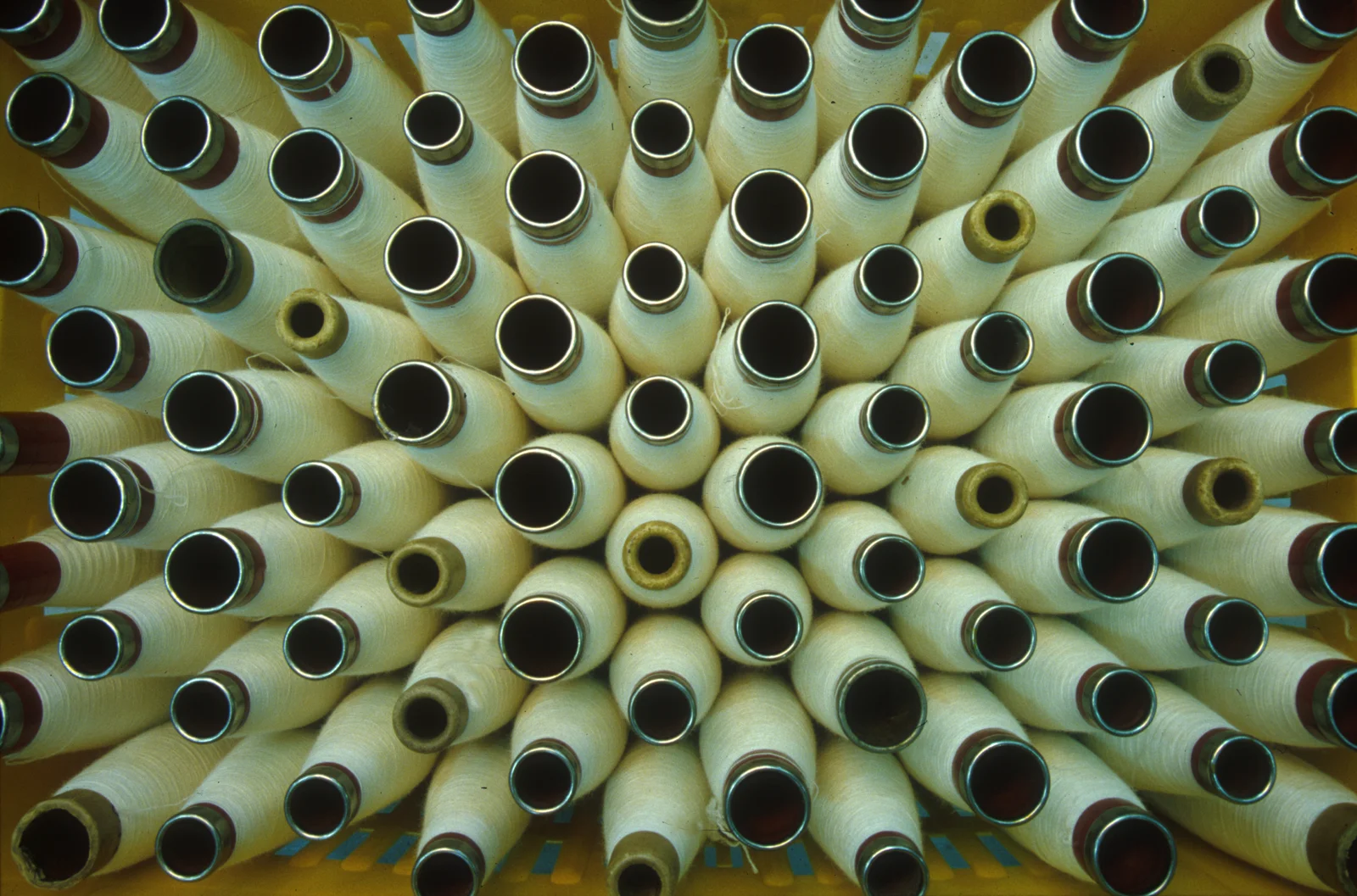
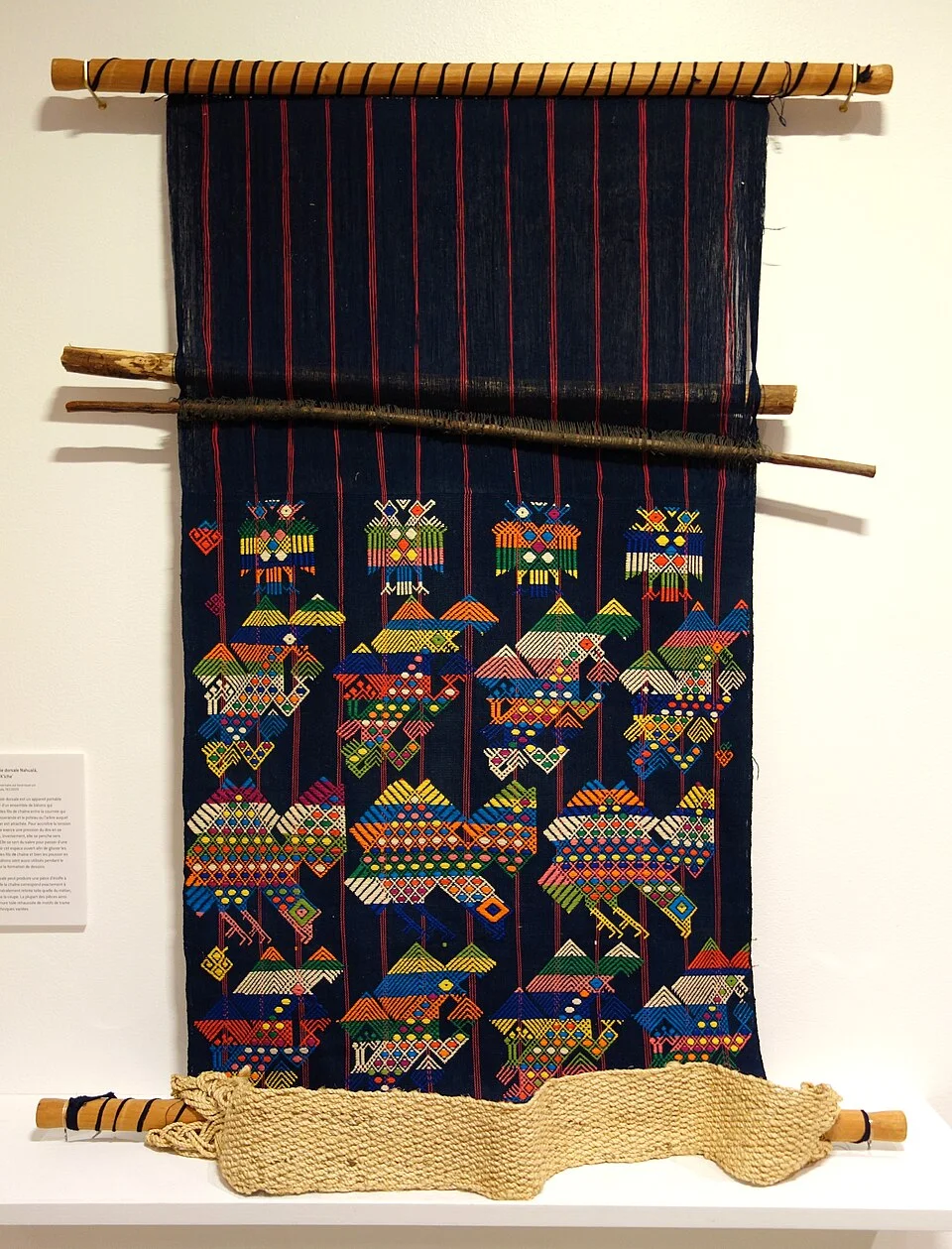
Captions identify the actual subjects shown. A contextual photograph is not evidence of an event described as happening today. Images retain their individual licences; they are separate from the site's original text and design. The displayed copies are resized and compressed, and the layout may crop their visible area responsively.