Material notes
Wool & Weather

Fibre. Structure. Canadian stories.

Textile fibres, weaving and Canadian material culture

The story in the fibre.

Wool & Weather explores the fibres, structures and histories held in cloth. Follow Canadian conservation research and museum collections through natural materials, weaving, wartime quilts and preservation, learning to read textiles as skilled work, useful objects and records of life.

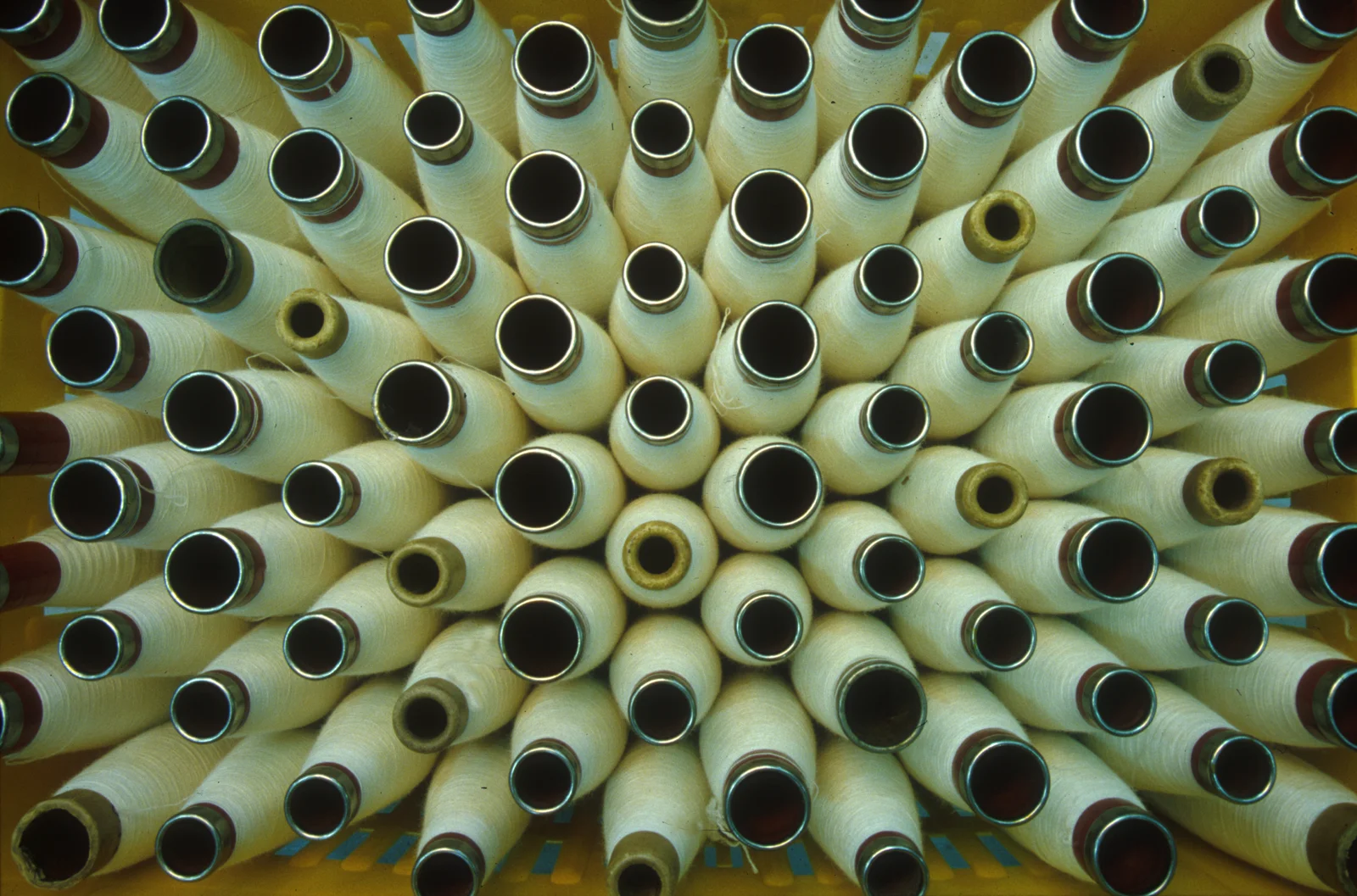
Rows of pale wool yarn bobbins with dark hollow centres.
Bobbins of wool yarn in a CSIRO photograph from 2003.CSIRO · CC BY 3.0

Material knowledge

A fibre is the beginning of the cloth

Wool, silk, cotton and linen can appear together in a museum collection while having different biological origins. Canadian Conservation Institute resources show why fibre identification begins with the material itself, then considers processing, condition and the evidence visible under magnification.

Read the story
Textile structure

Follow the yarn through the weave

A woven textile can carry its pattern within its structure. Museum learning resources explain how warp and weft interact, while the Textile Museum of Canada’s examples from the Americas show why a shared technical vocabulary must remain connected to particular making traditions.

Read the story
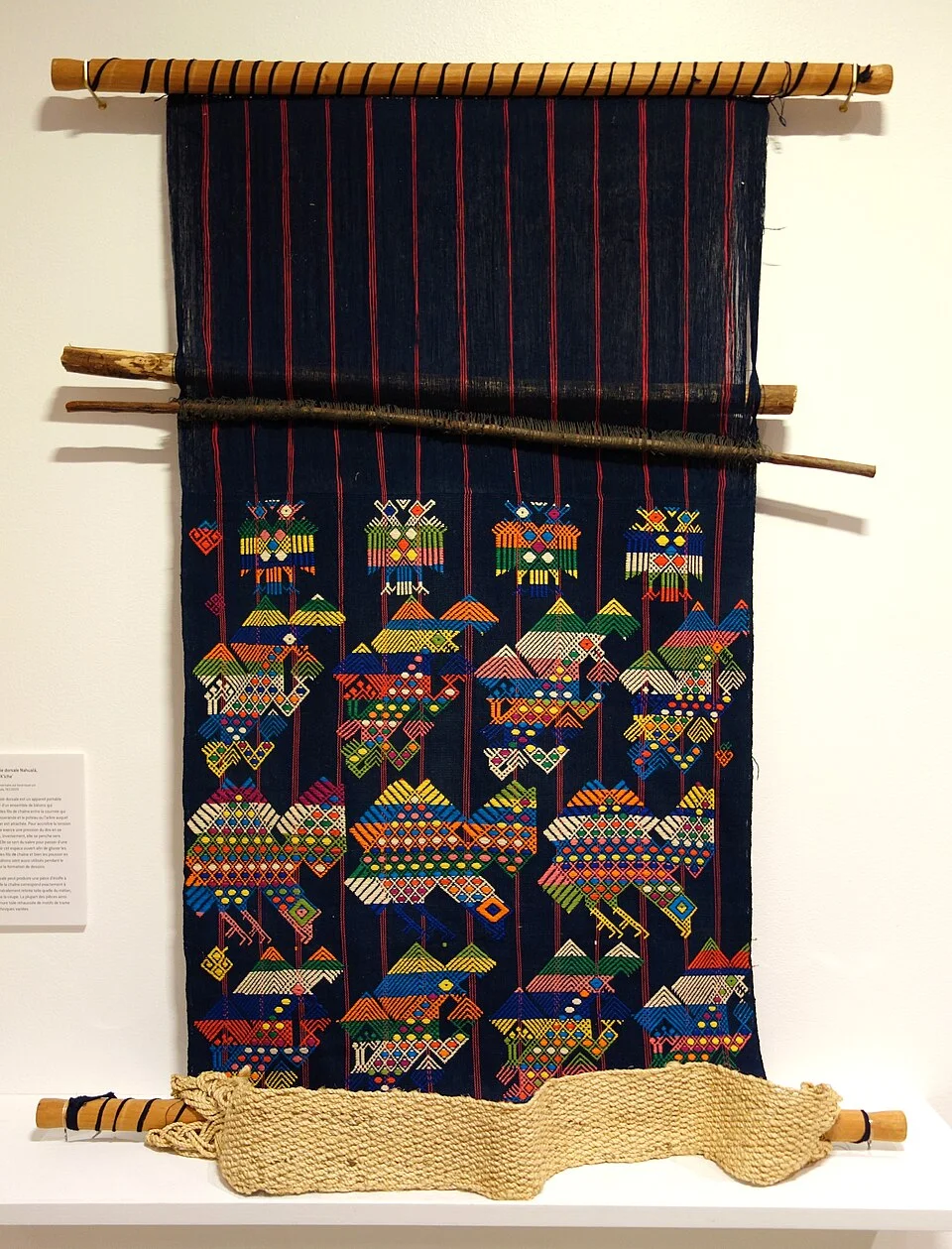
A K'iche' Maya backstrap loom carrying dark striped fabric and colourful woven figures.
A K'iche' Maya backstrap loom from Nahuala, displayed at the Textile Museum of Canada in Toronto and photographed in 2013.Daderot · CC0 1.0

Further material notes

Material histories

A quilt with an Atlantic journey

A quilt in a Canadian museum can connect local making with a distant household. Manitoba Museum and Canadian Red Cross records document wartime textiles through their makers, recipients and uses, showing why an object’s journey belongs beside its colours and stitching.

Read the story

Conservation

Why old cloth needs careful support

Textiles are flexible, but that flexibility does not make them immune to damage. Canadian Conservation Institute guidance connects light exposure, folds and the weight of an object with its long-term survival, explaining some of the choices visible in museum displays and storage.

Read the story